Introduction
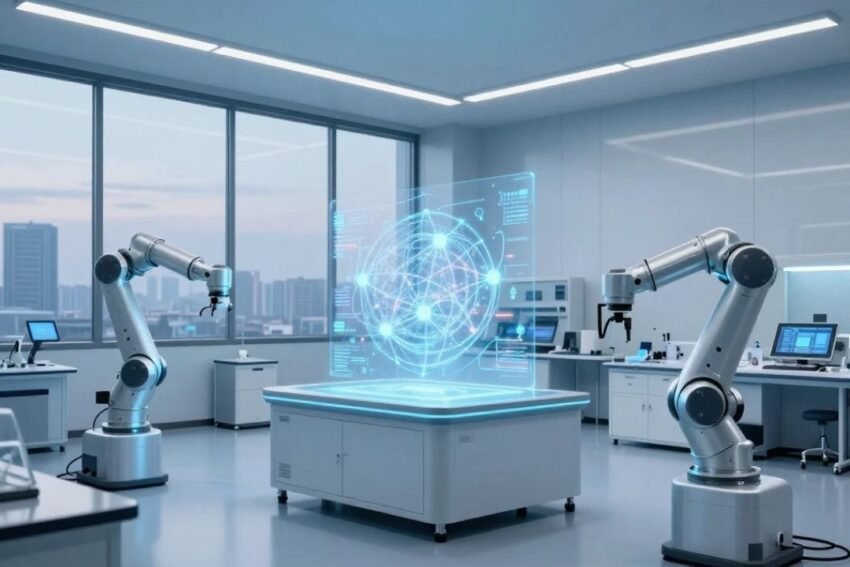
Technology is evolving faster than ever before, transforming the way people live, work, communicate, and solve problems. From artificial intelligence and automation to advanced robotics and sustainable solutions, the future of technology is expected to bring groundbreaking innovations that will reshape industries and everyday life.
The next generation of innovation will not only focus on creating smarter devices but also on developing technologies that improve efficiency, sustainability, healthcare, education, and global connectivity. Businesses and individuals who understand future technology trends will be better prepared to adapt to a rapidly changing digital world.
In this article, we will explore the most important future technology trends that are expected to influence the coming years and define the next era of innovation.
1. Artificial Intelligence and Machine Learning: The Future of Smart Technology
Artificial Intelligence (AI) is one of the most powerful technologies shaping the future. AI systems are becoming more advanced, allowing machines to learn, analyze data, and make intelligent decisions without constant human involvement.
In the future, AI will become an essential part of almost every industry, including healthcare, finance, transportation, education, and business. AI-powered assistants will become more personalized, helping users manage tasks, make decisions, and improve productivity.
Machine learning, a branch of AI, will continue to improve through advanced algorithms and massive amounts of data. Companies will use AI to predict customer behavior, optimize operations, detect fraud, and create innovative products.
The growth of generative AI will also transform content creation, software development, design, and communication. As AI technology advances, human collaboration with intelligent machines will become a major part of future innovation.
2. The Rise of Automation and Robotics
Automation and robotics are expected to play a major role in the future of technology. Businesses are increasingly using robots and automated systems to improve efficiency, reduce costs, and perform complex tasks.
Future robots will become more intelligent, flexible, and capable of working alongside humans. In industries such as manufacturing, healthcare, agriculture, and logistics, robots will help complete dangerous or repetitive tasks while allowing humans to focus on creative and strategic activities.
Robotic technology will also expand into everyday life. Smart home robots, delivery robots, and personal assistants could become common in households and communities. Advances in sensors, AI, and robotics engineering will make machines more interactive and useful.
3. The Expansion of the Internet of Things (IoT)
The Internet of Things (IoT) is connecting everyday devices to the internet, allowing them to communicate and share information. This technology will continue to grow as more smart devices become part of daily life.
Future smart homes will include connected appliances, intelligent security systems, automated lighting, and energy management solutions. These devices will learn user preferences and create more convenient living environments.
Beyond homes, IoT will transform cities through smart infrastructure. Smart cities will use connected sensors to improve traffic management, public safety, waste management, and energy efficiency.
Industries will also benefit from IoT by monitoring equipment, predicting maintenance needs, and improving production processes. As connectivity improves, IoT will become a foundation of the future digital ecosystem.
4. 5G and Future Connectivity Technologies
Fast and reliable internet connectivity is essential for future technological growth. The development of 5G networks and future communication technologies will enable faster data transfer, lower delays, and improved connectivity.
5G technology will support innovations such as autonomous vehicles, smart cities, virtual reality, and advanced healthcare systems. Businesses will benefit from faster communication and more efficient digital operations.
In the future, next-generation connectivity will allow billions of devices to remain connected simultaneously. This will create new opportunities for remote work, online education, digital entertainment, and global collaboration.
5. Quantum Computing: A New Era of Processing Power
Quantum computing is one of the most exciting future technology trends. Unlike traditional computers, quantum computers use quantum mechanics to process information in completely new ways.
Although still developing, quantum computing has the potential to solve complex problems that are currently impossible for conventional computers. It could transform fields such as medicine, cybersecurity, climate research, and scientific discovery.
Future quantum computers may help researchers develop new medicines, optimize global systems, and create more powerful security solutions. As this technology matures, it could become one of the biggest breakthroughs in computing history.
6. Biotechnology and Healthcare Innovation
The future of technology will have a major impact on healthcare and human well-being. Biotechnology, artificial intelligence, and advanced medical devices are creating new possibilities for disease prevention, diagnosis, and treatment.
AI-powered healthcare systems will help doctors analyze medical data, identify diseases earlier, and provide personalized treatment plans. Wearable health devices will monitor vital signs and encourage healthier lifestyles.
Gene editing, regenerative medicine, and biotechnology research may also lead to advanced treatments for serious diseases. The combination of technology and healthcare will create a future where medical solutions are faster, more accurate, and more personalized.
7. Sustainable Technology and Green Innovation
Climate change and environmental challenges are increasing the demand for sustainable technology. Future innovations will focus on reducing carbon emissions, conserving resources, and creating cleaner energy solutions.
Renewable energy technologies, such as advanced solar power, wind energy, and energy storage systems, will continue to improve. Electric vehicles and smart energy networks will become more common as societies move toward sustainable transportation.
Technology will also support environmental monitoring through AI and IoT systems. These solutions can help track pollution, manage natural resources, and improve climate research.
Green technology will not only protect the environment but also create new economic opportunities and industries.
8. Extended Reality (AR and VR) Experiences
Augmented Reality (AR) and Virtual Reality (VR) technologies are changing the way people interact with digital content. These technologies create immersive experiences that combine the physical and digital worlds.
In the future, AR and VR will become more advanced and accessible. Businesses will use them for training, marketing, product demonstrations, and collaboration. Education systems may use virtual environments to create interactive learning experiences.
The entertainment industry will also benefit from immersive technology, offering more realistic gaming, virtual events, and digital experiences. As devices improve, extended reality could become a normal part of everyday activities.
9. Cybersecurity and Digital Protection
As technology becomes more connected, cybersecurity will become increasingly important. The growth of AI, IoT, and cloud computing creates new opportunities but also increases digital risks.
Future cybersecurity systems will use artificial intelligence to detect threats, prevent attacks, and protect sensitive information. Organizations will invest more in advanced security solutions to safeguard personal and business data.
Privacy protection will also become a major focus as people share more information online. Strong cybersecurity practices will be essential for building trust in future digital systems.
10. The Future of Work and Digital Transformation
Technology will continue to transform workplaces around the world. Remote work, automation, artificial intelligence, and digital collaboration tools are changing traditional business models.
Future employees will need digital skills, creativity, and the ability to work with advanced technologies. Companies will focus on innovation, flexibility, and continuous learning to remain competitive.
Rather than replacing all human roles, future technology will create new opportunities and allow people to work more efficiently with intelligent tools.
Conclusion
The future of technology is filled with possibilities that will redefine how humans interact with the world. Artificial intelligence, robotics, quantum computing, biotechnology, sustainable solutions, and advanced connectivity are just some of the innovations that will shape the next generation of progress.
These future technology trends will bring significant changes across industries and societies. While challenges such as cybersecurity, privacy, and ethical concerns must be addressed, technology will continue to provide solutions for global problems and improve quality of life.
The next generation of innovation will belong to those who embrace change, develop new skills, and understand the powerful role technology will play in creating the future.